
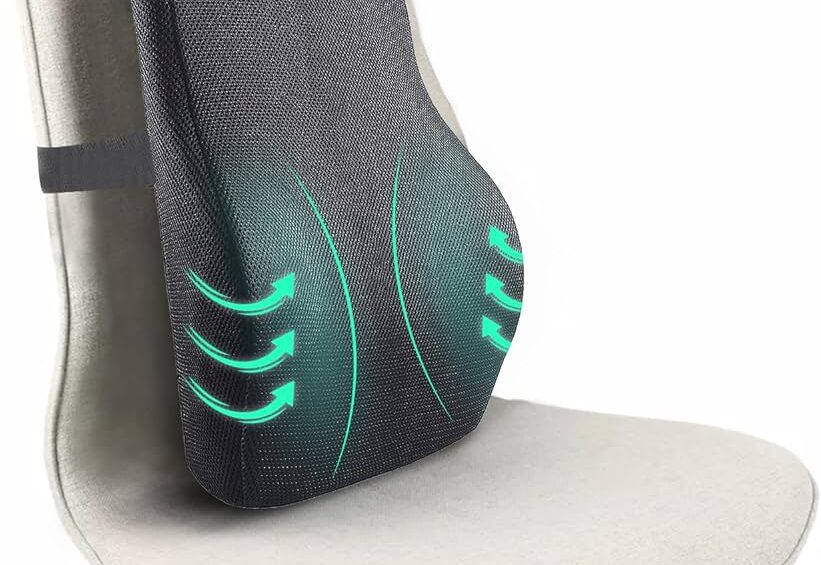
In today’s world of long work hours, screen time, and sedentary lifestyles, back pain has become increasingly common. One of the most effective yet often overlooked solutions is proper lumbar support. Whether you’re sitting at a desk, driving, or relaxing at home, supporting your lower back is essential for maintaining spinal health and overall well-being.
What Is Lumbar Support?
Lumbar support refers to support for the lower part of the spine, known as the lumbar region. This area naturally curves inward, and when that curve isn’t supported—especially during prolonged sitting—it can lead to muscle strain, poor posture, and chronic pain.
Chairs, cushions, and ergonomic accessories designed with lumbar support help maintain the spine’s natural alignment and reduce pressure on the lower back.
Why Lumbar Support Matters
Without proper lumbar support, the lower back tends to slump, flattening its natural curve. Over time, this can cause:
- Lower back pain and stiffness
- Muscle fatigue
- Poor posture
- Increased risk of spinal problems
- Reduced comfort and productivity
Good lumbar support helps distribute body weight evenly, minimizing stress on the spine and surrounding muscles.
Benefits of Proper Lumbar Support
Using lumbar support consistently can provide several key benefits:
- Improved posture: Encourages correct spinal alignment
- Reduced pain: Helps relieve pressure on the lower back
- Better circulation: Promotes healthy blood flow while sitting
- Increased comfort: Makes long sitting periods more tolerable
- Enhanced focus: Less discomfort means better concentration
Whether at work or home, these benefits can significantly improve daily comfort.
Who Needs Lumbar Support?
Almost everyone can benefit from lumbar support, especially:
- Office workers who sit for long hours
- Drivers on long commutes or road trips
- Students studying for extended periods
- Individuals recovering from back injuries
- Older adults with reduced spinal flexibility
Even people without existing back pain can use lumbar support as a preventive measure.
Choosing the Right Lumbar Support
When selecting lumbar support, consider the following:
- Adjustability: Supports that can be customized to your body shape work best
- Firmness: It should be supportive, not overly soft
- Placement: The support should sit comfortably in the natural curve of your lower back
- Breathability: Especially important for long-term use
Ergonomic chairs or removable lumbar cushions are both excellent options depending on your needs.
Simple Tips for Better Back Health
Lumbar support works best when combined with healthy habits:
- Sit with your feet flat on the floor
- Keep your screen at eye level
- Take breaks to stand and stretch
- Strengthen your core muscles
- Avoid sitting for long periods without movement
Small changes can make a big difference over time.


