
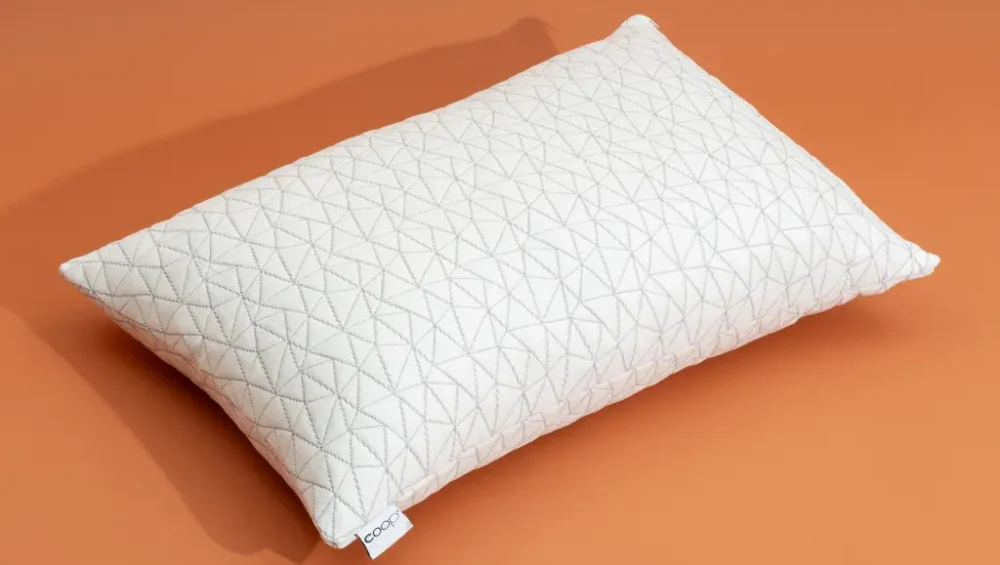
A good night’s sleep isn’t just about how long you rest — it’s about the quality of that rest. One of the most overlooked factors in sleep comfort is your pillow. If you wake up with neck stiffness, headaches, or shoulder pain, your pillow could be the problem.
Memory foam pillows have become a popular choice for a reason. Designed to contour to your head and neck, they offer support that traditional pillows often can’t match. Let’s look at the top benefits of using a memory foam pillow and why it might be the upgrade your sleep routine needs.
1. Superior Neck and Spine Support
Memory foam molds to the natural curves of your head, neck, and shoulders. This helps keep your spine properly aligned while you sleep.
When your neck is supported in a neutral position:
- You’re less likely to wake up with stiffness
- Your muscles can truly relax overnight
- Pressure on your cervical spine is reduced
This makes memory foam pillows especially helpful for people who experience chronic neck or upper back discomfort.
2. Pressure Relief
Unlike traditional pillows that flatten or bunch up, memory foam distributes weight evenly. This reduces pressure points around the head, neck, and shoulders.
Less pressure means:
- Fewer aches and pains in the morning
- Improved circulation while you sleep
- More comfortable rest, especially for side sleepers
It’s like your pillow is custom-made for your sleeping position.
3. Better Sleep Posture
Poor pillow support can force your neck into awkward angles, leading to long-term posture issues and ongoing pain.
Memory foam encourages:
- Proper head positioning
- Balanced shoulder alignment
- Reduced strain on muscles and joints
Over time, this can lead to fewer tension headaches and less strain on your upper body.
4. Motion Stability
If you tend to toss and turn, memory foam helps keep your head supported through movement. It slowly adjusts instead of collapsing, which means consistent support all night long.
This stability can help reduce sleep disruptions and make it easier to stay in deeper stages of sleep.
5. Hypoallergenic Properties
Many memory foam pillows are made from materials that resist:
- Dust mites
- Mold
- Allergens
For people with allergies or asthma, this can mean fewer nighttime symptoms like sneezing, congestion, or watery eyes.
6. Long-Lasting Shape and Durability
Traditional pillows often lose their shape within months. Memory foam is known for its durability and resilience. It maintains its structure and support much longer, making it a smart long-term investment in your sleep health.
You won’t need to constantly fluff, fold, or replace it.
7. Comfort for All Sleep Positions
Whether you’re a:
- Side sleeper
- Back sleeper
- Combination sleeper
Memory foam adapts to your position and helps keep your head supported without sinking too deeply. Many options even come in ergonomic shapes designed specifically for certain sleep styles.


